Beech Mountain Doesn't Have a Downtown Yet. Buyers Should Care Anyway.
September 17, 2026
September 17, 2026
Tonight, in the council room at Beech Mountain Town Hall, planners from Hill Studio will walk residents through two years of work on a project that has no real precedent on this mountain: a downtown. The meeting runs from 5 to 6 p.m., it will be livestreamed for anyone who can't make the drive up, and it marks the third public phase of a plan that could reshape where value sits on Beech Mountain for the next twenty years.
If you're comparing High Country towns as a buyer, that sentence should stop you. Boone has King Street. Blowing Rock has Main Street. Banner Elk has its downtown school-turned-arts-center anchoring the center of town. Beech Mountain has never had any of that, and the reason isn't an oversight. It's how the place was built. What's happening this week is the town trying, for the first time in its history, to give itself a center of gravity it never had.
Beech Mountain didn't grow up around a courthouse square or a rail stop the way most North Carolina towns did. In the late 1960s, developers Harry and Grover Robbins and the Carolina Caribbean Corporation bought more than seven square miles at the top of the mountain, divided it into lots, and built a ski resort, a golf course, a defunct theme park called the Land of Oz, and roads to connect it all. When the development company went bankrupt in 1974, the Beech Mountain Property Owners Association stepped in to keep roads and recreation running. The town itself wasn't incorporated until 1981, and the POA reorganized into what's now the Beech Mountain Club, which still runs the golf course and much of the recreational infrastructure.
None of that process produced a Main Street. It produced a scattering of commercial nodes, a general store called Fred's Mercantile that locals use as a landmark the way other towns use a courthouse, the ski resort base area, and Buckeye Recreation Center. According to the town's own comprehensive planning documents, Beech Mountain occupies about as much land area as Boone, despite having a tiny fraction of the year-round population. That's a town built wide and thin, with no center, by design.
That's what the current planning effort is trying to fix. The town has partnered with Hill Studio and Civic by Design to develop a long-range plan for a commercial district on roughly 22 acres across the street from Town Hall. The stated goal, laid out in the town's own planning materials, is a walkable, mixed-use center with retail, dining, lodging, services, and some affordable residential space, plus on-street parking and green space, all aimed at easing traffic congestion along Beech Mountain Parkway.
At a May 12 council meeting, the Hill Studio Group, led by David Hill, presented a five-phase development framework with financial projections, potential funding sources, and comparisons to commercial districts built in other small mountain municipalities. The council voted to schedule public review of that research, which has continued through the summer and into this week's session.
Here's the timeline as the town has laid it out so far:
| Milestone | Date |
|---|---|
| Community engagement kicks off | April 2026 |
| Hill Studio Group presents five-phase framework and financial projections to council | May 12, 2026 |
| Design Charrette Week 2, held at The Venue at Boulder Creek | July 2026 |
| Phase 3 public recap and Q&A with Hill Studio consultants | September 9, 2026 |
| Visual Preferences Survey sessions at Town Hall and the farmers market | October 2, 2026 |
Notice what's missing from that table: a construction start date, a first-tenant date, or a completion year for the district itself. This is a plan still being drawn, not a project under a crane.
The timing isn't a coincidence. Beech Mountain's full-time population has grown from about 350 to about 680 residents over the past five years, with 69 new homes built in just the last two, according to the town's own water system materials. That growth, layered on top of a visitor base that already swells the mountain to 5,000 people in summer and 10,000 during ski season, has pushed the town's single water source past its limits.
The fix running in parallel with the downtown plan is an expansion of Lake Coffey, which will more than double in size to supplement the Buckeye Lake reservoir. The expanded lake is expected to include a trail, a beach, a picnic area, and a fishing dock, with completion targeted for 2028. Hurricane Helene complicated this work considerably. Charter Hills Road and Buckeye Creek Road both sustained damage that will cost more than $3 million to repair, covered by FEMA, and Lake Coffey itself was drained in June 2026 as part of the recovery and expansion work. The Pinnacle well remains inoperable as of this spring's council updates.
Put plainly: the same population growth that's straining the town's water supply is the growth the downtown district is designed to serve. Both projects are answers to the same underlying fact. More people live here now than the infrastructure built in the 1970s was ever meant to support.
In Boone or Blowing Rock, when a listing says "walk to downtown," that phrase means something fixed. It has meant the same thing for decades. On Beech Mountain, proximity has always meant something else: distance to the ski resort, distance to Fred's Mercantile, distance to the Beech Mountain Club's golf course, or distance to Buckeye Recreation Center. There's never been a single point everything orbits around.
You can see the demand for a real commercial center in what's already opening in the town's existing, mismatched retail spaces. Beech Mountain Barkway, a grooming and boarding business, and New Force Comics both opened this year in the former Charlie's Beech Mountain Rentals building, filling space that wasn't purpose-built for retail because nothing on the mountain really was. That's a town whose commercial appetite has outgrown its commercial footprint, which is exactly the gap the 22-acre district is meant to close.
This is the part worth sitting with if you're evaluating a Beech Mountain property against a Boone or Blowing Rock listing at a similar price. In those other towns, "close to downtown" is a known, stable variable you can price with confidence. On Beech Mountain right now, it's a forecast. The district is still in Phase 3 of a public planning process, the five-phase build-out described by Hill Studio Group spans years, and no official completion date exists for when retail actually opens on those 22 acres.
That cuts both ways. A property near the Town Hall corridor on Beech Mountain Parkway today is a bet on a plan, not a purchase near an established center the way it would be in a town with a Main Street already built. The upside is real if the district lands as designed. The uncertainty is real too, since plans of this scope can shift in scope, funding, or sequencing over a multi-year process. Nobody, including the town's own consultants, has drawn a finished street grid yet.
A few practical things worth building into your due diligence if Beech Mountain is on your list:
Is the Beech Mountain Commercial District definitely happening on the 22 acres across from Town Hall? As of this week, the project is in Phase 3 of a public planning process. The town has held engagement sessions since April 2026 and scheduled further public input for October 2, but has not announced a construction start date.
Does this affect the Beech Mountain Club or POA-run amenities? The district is a town government initiative developed with private and public partners, separate from the Beech Mountain Club, which grew out of the original Property Owners Association and still runs the golf course and related recreation. Location will matter for both, but they're distinct efforts.
When would any of this actually get built? The Hill Studio Group's May presentation outlined a five-phase development framework spanning several years. No single completion date has been published for the retail and dining component of the plan.
Is the Lake Coffey water project connected to the downtown plan? They're separate projects addressing the same root cause. Population growth on the mountain over the past five years strained both the water system and the town's commercial capacity, which is why both are moving forward at once, with Lake Coffey's expansion targeted for completion in 2028.
If you're weighing a purchase on Beech Mountain and trying to figure out how a specific parcel sits relative to where this plan is heading, that's exactly the kind of question the Leslie Eason Team works through with buyers who live outside the region. We watch these planning processes as they unfold, not just the listings. Contact us before you make a location bet on a downtown that's still being drawn.

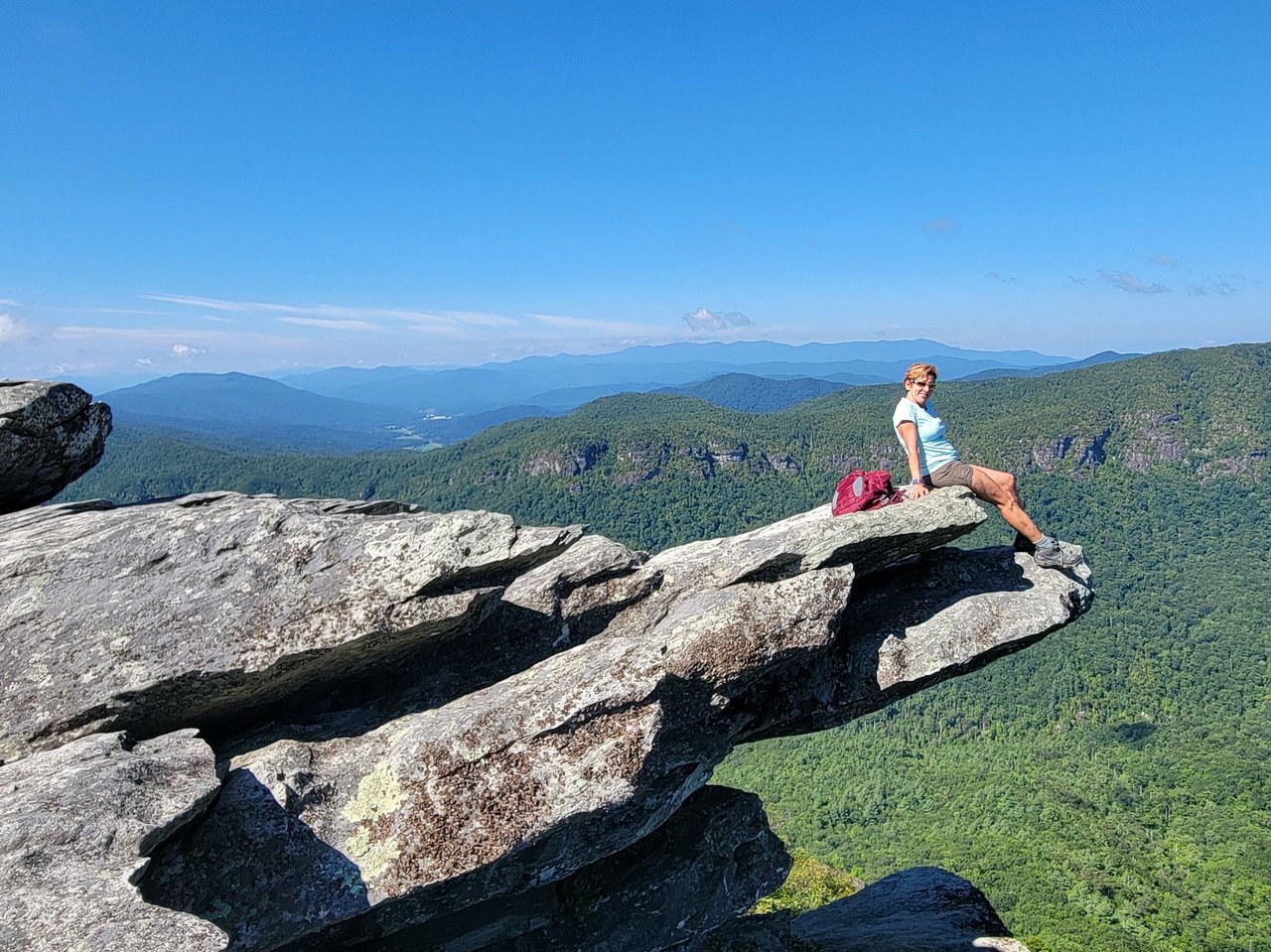
Best Hiking Trails in North Carolina
Local Trail Guides, Scenic Overlooks & Beginner-Friendly Hikes Near Boone & Beyond
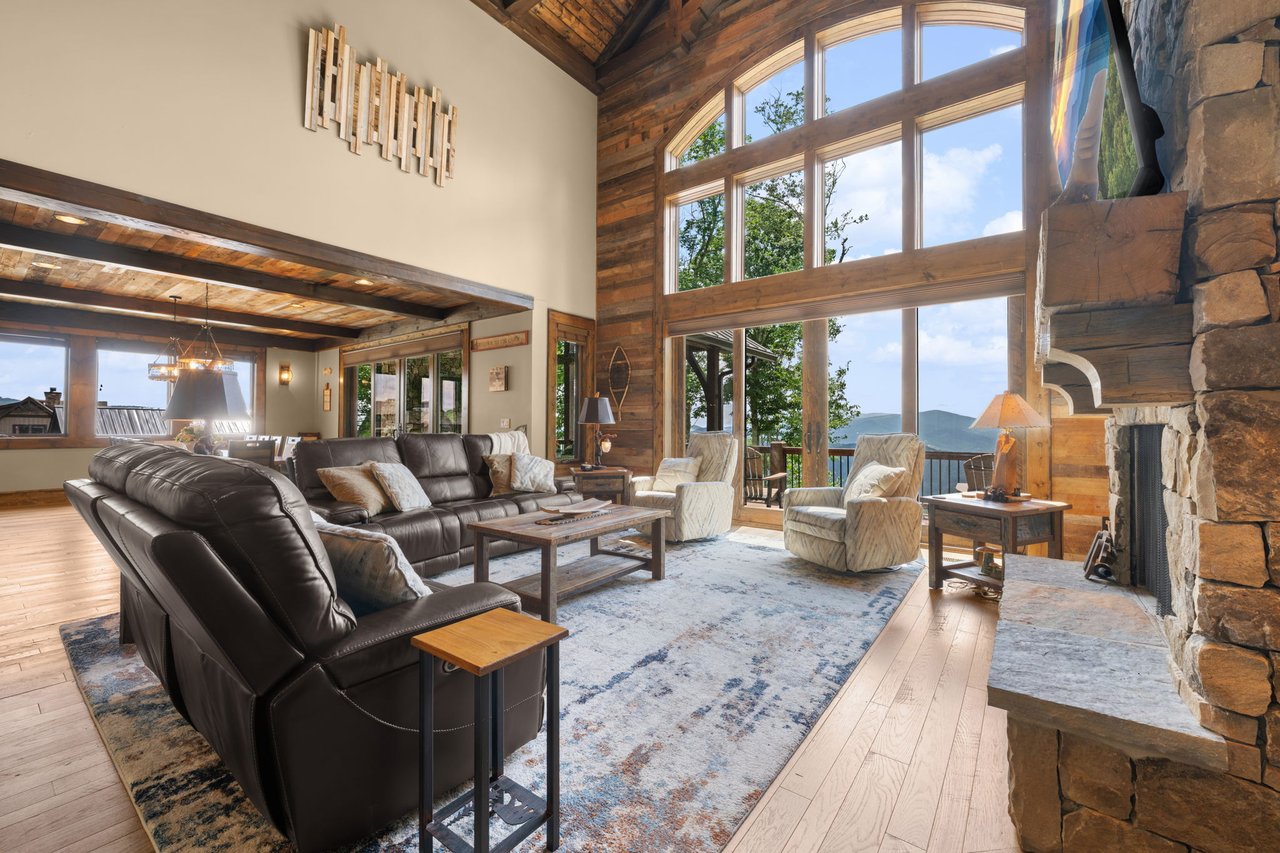
NC High Country Market Update
H1 2026 MLS Housing Data & Local Trends for Watauga, Ashe & Avery Counties
Here is where it gets interesting for a buyer trying to do real math.
Real estate is more than a transaction—it's a significant life decision. Our team provides the expertise, support, and strategy needed to help you move forward confidently. Let us guide your next chapter.
Leslie Eason Real Estate Team
(828) 484-4811
[email protected]
OPEN HOURS
Monday - Saturday
8:30AM - 7:30PM
Sunday
12:00PM - 5:00PM
774 E King St Unit A Boone, NC 28607