The Overlay Stack Hiding Inside Every "Downtown Banner Elk" Address
September 24, 2026
September 24, 2026
A buyer under contract on a cottage two blocks off Main Street in Banner Elk assumes renovation will be straightforward. The lot sits inside town limits. The base zoning allows what they want to do. Then, midway through due diligence, they learn the property sits inside not one but two separate overlay districts, each with its own review process, and that a third rule entirely different from either one governs how close their well can sit to a fuel tank. None of this shows up on the listing sheet. All of it shows up on the plans.
Banner Elk is a small town, geographically. But the regulatory map layered on top of it is not simple, and the gap between "small town" and "simple town" is exactly where renovation budgets and closing timelines get stretched.
Banner Elk's base zoning looks like most small mountain towns: districts like R-1, R-2, C-1, C-2, and a handful of others that set out what you can build and where. What catches buyers off guard is what sits on top of that base zoning in the downtown core.
The Heritage District Overlay, established February 7, 2005, exists to protect the architectural character, village atmosphere, and historical significance of downtown Banner Elk. It adds a design review layer for construction and renovation inside its mapped boundary, on top of whatever the underlying zoning district already requires.
The Wellhead Protection Overlay, added July 13, 2009, does something entirely different. It exists to safeguard the groundwater that feeds the town's public water supply, and it restricts land uses and pollution sources within its mapped protection area.
Both overlays can apply to the same parcel. A downtown lot doesn't get to pick one. If it falls inside both mapped boundaries, a renovation plan has to clear both reviews, and they're evaluating completely different things: one cares what your addition looks like, the other cares what could leach into the ground beneath it.
It's easy to read "wellhead protection" as bureaucratic wallpaper until you look at what it's actually guarding. Banner Elk's public water system draws from four wells and stores water in a network of elevated and ground storage tanks with roughly 597,500 gallons of combined capacity, serving well over a thousand customer connections through about 20 miles of distribution line, according to the town's own utilities department.
That system is not abstract infrastructure. Hurricane Helene tore through the region on September 27, 2024, and washed out water mains near creeks throughout the town. According to the state's local water supply report, the town lost system pressure for several days, and as late as 2025 some valves remained closed with water still being rerouted while permanent repairs continued.
A town water system that lost pressure town-wide after one storm isn't a system that can absorb casual contamination risk near its wellheads. That's the practical reason the overlay exists, and it's the reason a buyer planning a septic modification, fuel storage, or any land-disturbing project inside the mapped protection area should expect real scrutiny, not a rubber stamp.
Move away from Main Street and into the gated communities ringing Banner Elk, and the overlay problem changes shape entirely. Linville Ridge, Elk River Club, The Lodges at Eagles Nest, and Headwaters at Banner Elk all sit on terrain where the deciding regulatory question isn't architectural character or groundwater. It's grade.
Banner Elk's zoning code defines "very steep slope" as any parcel with an average slope greater than 50 percent, a threshold added to the ordinance on February 12, 2007. Land-disturbing activity on ground that steep triggers its own review, aimed at identifying slope failure risk and requiring investigation or remediation before development proceeds.
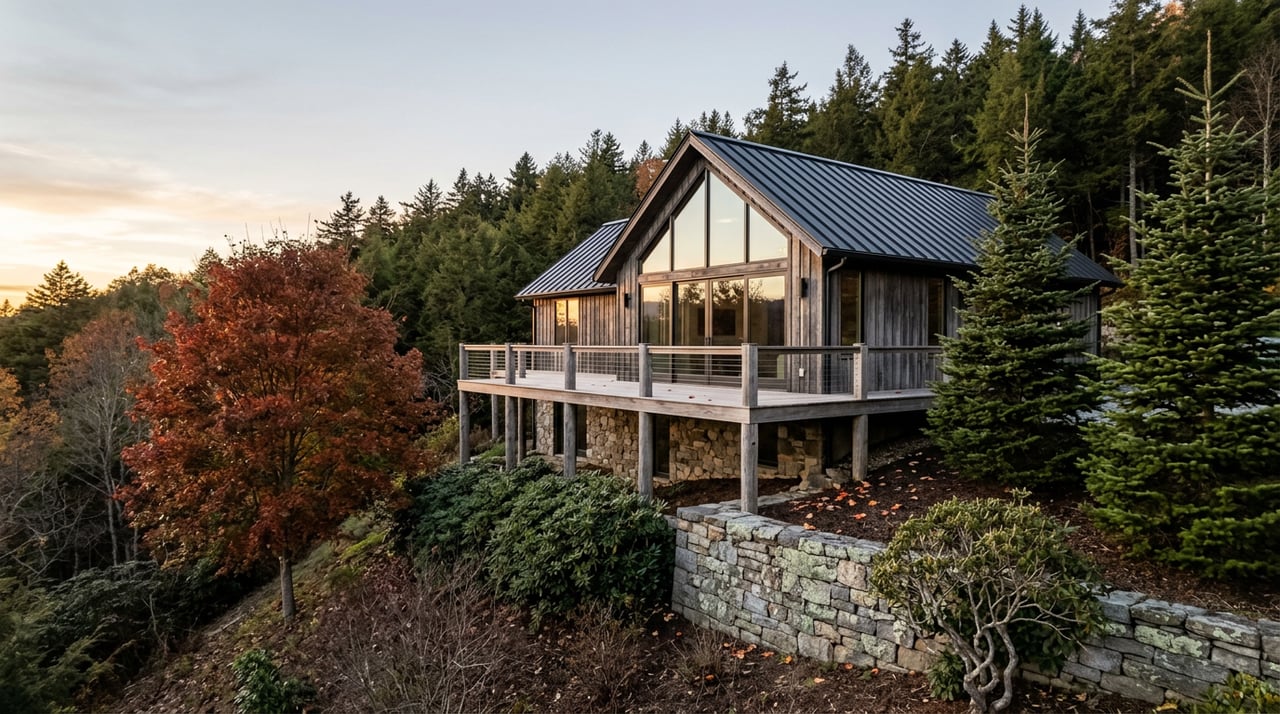
This is a separate mechanism from either downtown overlay, and it's the one that catches buyers building or expanding in the surrounding communities off guard, because a lot advertised for its view is often steep precisely because of the view. The same topography that makes the sunset dramatic from the deck is what triggers the engineering review on the building permit.
Here's the twist that undoes a lot of assumptions built on the first three sections: none of this matters if the parcel isn't actually inside Banner Elk town limits, and a Banner Elk mailing address does not guarantee that it is.
Plenty of properties carry a Banner Elk address for postal purposes while sitting in unincorporated Avery County. That distinction changes who reviews your permit, which building code applies, and whether your water and sewer service comes from the Town of Banner Elk or from a private well and septic system permitted through the Toe River Health District. It also changes who to call first: Avery County's own Planning & Zoning department, not the town, handles zoning verification, homestay permits, and building questions for parcels outside the corporate limits.
Practically, this means jurisdiction verification has to come before overlay research, not after. There's no point mapping your parcel against the Heritage District or Wellhead Protection boundaries if the parcel was never subject to Town of Banner Elk zoning in the first place.
None of this is theoretical concern for a quiet town where nothing changes. Banner Elk approved a new apartment complex near the Dollar General in 2025, part of a broader push to add housing options in a market where inventory has long run tight, according to reporting in the Avery Journal. Growth like that tends to bring more attention, not less, to how in-town parcels get reviewed, because a town actively managing new construction has every incentive to enforce its existing overlay boundaries consistently rather than letting them go unexamined.
For a buyer, that means the overlay stack downtown is more likely to be actively enforced now than it might have been a decade ago, which makes the due diligence step worth taking seriously rather than treating as a formality.
A short sequence solves most of the confusion above before it turns into a delay:
Does the Heritage District Overlay only apply to businesses, or to houses too? The overlay's mapped boundary determines what it covers, not the type of building. Homes inside the downtown core boundary can fall under its review alongside commercial properties. Confirming your specific parcel's status with the town is the only reliable way to know, since boundaries are drawn on the town's official zoning map rather than by property type.
What actually triggers Wellhead Protection Overlay review beyond drilling a new well? The overlay exists to prevent contamination sources near the town's water supply, which means land-disturbing work, changes in land use, and certain wastewater or fuel storage projects within the mapped protection area can draw scrutiny even when no new well is involved. If your project falls inside the boundary, ask the town directly what your specific plans will require.
How do I find out if my lot qualifies as a "very steep slope" before I buy? A licensed surveyor can calculate average slope percentage for a specific parcel. Given that the 50 percent threshold is the trigger point for additional review, it's worth commissioning that survey during due diligence rather than after closing, especially for lots in the ridge and gated-community terrain outside downtown.
Banner Elk rewards careful preparation more than most High Country towns, precisely because its rules layer in ways that aren't visible from a listing photo. If you're evaluating a property here, whether it's a cottage inside the historic core or a homesite on a steep ridge lot, the Leslie Eason Team can help you verify jurisdiction, pull the right overlay determinations, and build a due diligence timeline that accounts for what the address alone won't tell you. Contact Us before you finalize plans, not after.

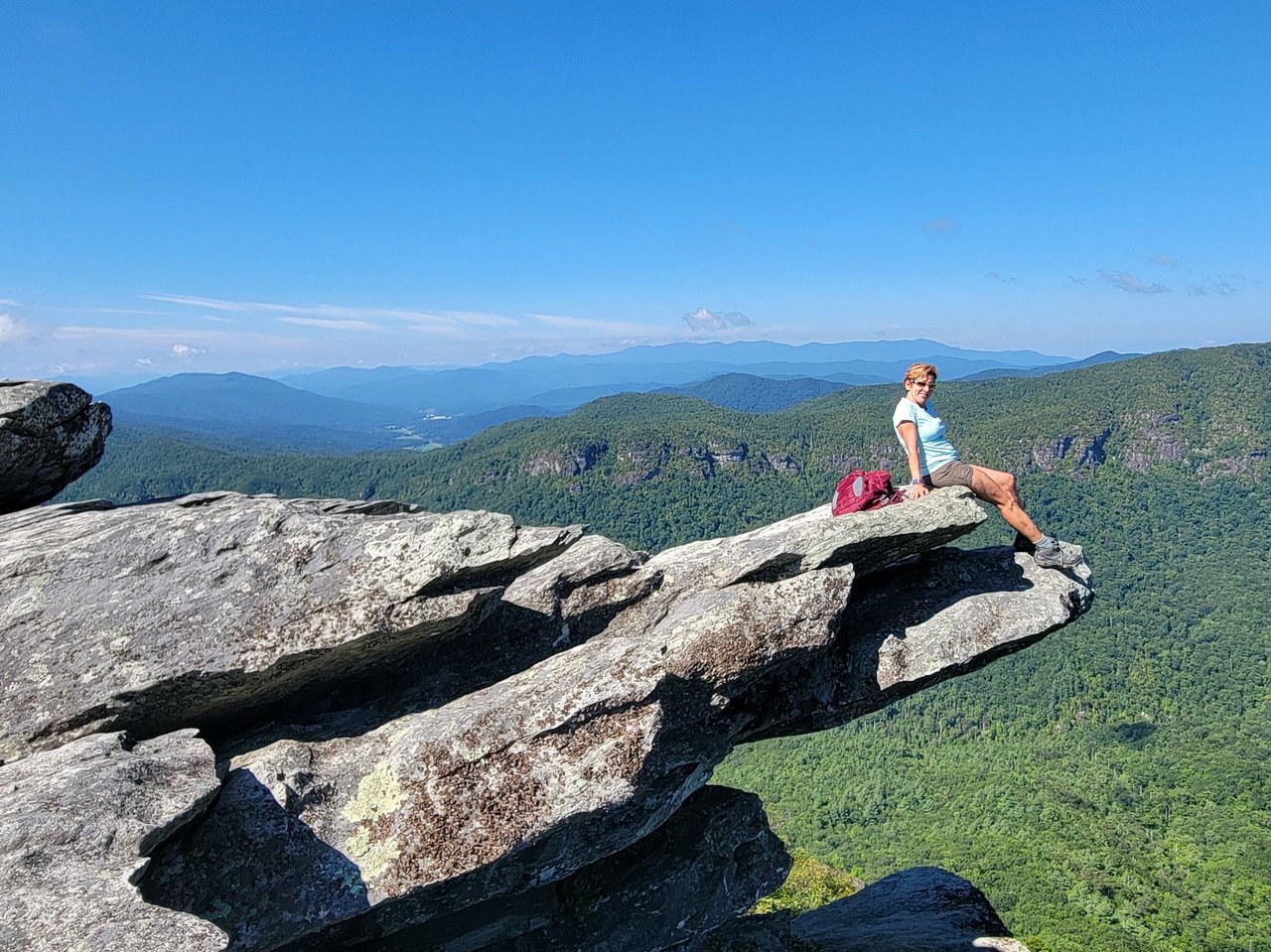
Best Hiking Trails in North Carolina
Local Trail Guides, Scenic Overlooks & Beginner-Friendly Hikes Near Boone & Beyond
NC High Country Market Update
H1 2026 MLS Housing Data & Local Trends for Watauga, Ashe & Avery Counties
Here is where it gets interesting for a buyer trying to do real math.
Real estate is more than a transaction—it's a significant life decision. Our team provides the expertise, support, and strategy needed to help you move forward confidently. Let us guide your next chapter.
Leslie Eason Real Estate Team
(828) 484-4811
[email protected]
OPEN HOURS
Monday - Saturday
8:30AM - 7:30PM
Sunday
12:00PM - 5:00PM
774 E King St Unit A Boone, NC 28607